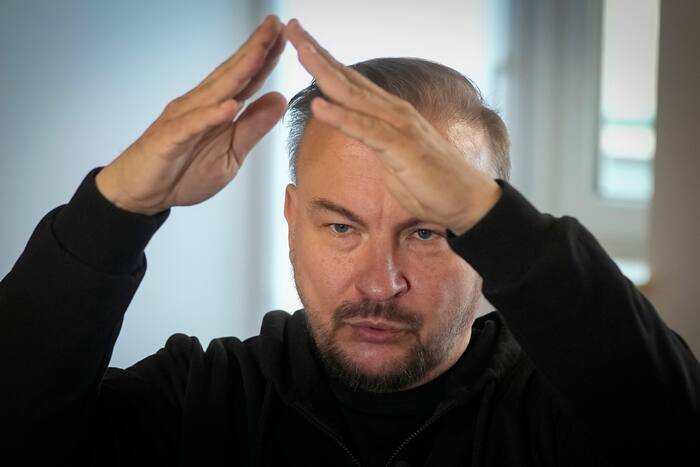


What mark do dramatic events leave on our memories? How do our minds create the selection of which memories we hold on to? How does that memory change over time? Researchers seized on these questions in the aftermath of the Islamist terrorist attacks committed on November 13, 2015, near the Stade de France football stadium in Paris’s northern suburbs, on the café terraces in the 10th and 11th arrondissements of Paris and at the Bataclan concert hall. The attacks left a total of 130 people dead, more than 400 physically wounded and thousands psychologically traumatized.
In January 2016, a large-scale research program on trauma-related memory was launched. Named the November 13 Program and led by the National Center for Scientific Research (CNRS), the National Institute of Health and Medical Research (INSERM) and the Paris-I Panthéon-Sorbonne University, this unique project was designed from the beginning as a long-term, multidisciplinary effort encompassing the humanities, neuroscience, history, sociology and more. The project is set to conclude in 2028, under the direction of Denis Peschanski, a historian and emeritus research director at the CNRS, and Francis Eustache, a neuropsychologist at the Neuropsychology and Imaging of Human Memory laboratory.
You have 93.67% of this article left to read. The rest is for subscribers only.