
After a traumatic eight months for Minnesota, state lawmakers will return for the 2026 legislative session on Tuesday with a focus on recovery.
The absence of legislative fixture Rep. Melissa Hortman will be deeply felt. Hortman and her husband, Mark, were assassinated over the summer. Authorities say Sen. John Hoffman and his wife, Yvette, were targeted by the same gunman.
Months later, two children were fatally shot during a church service in Minneapolis at Annunciation Catholic School.
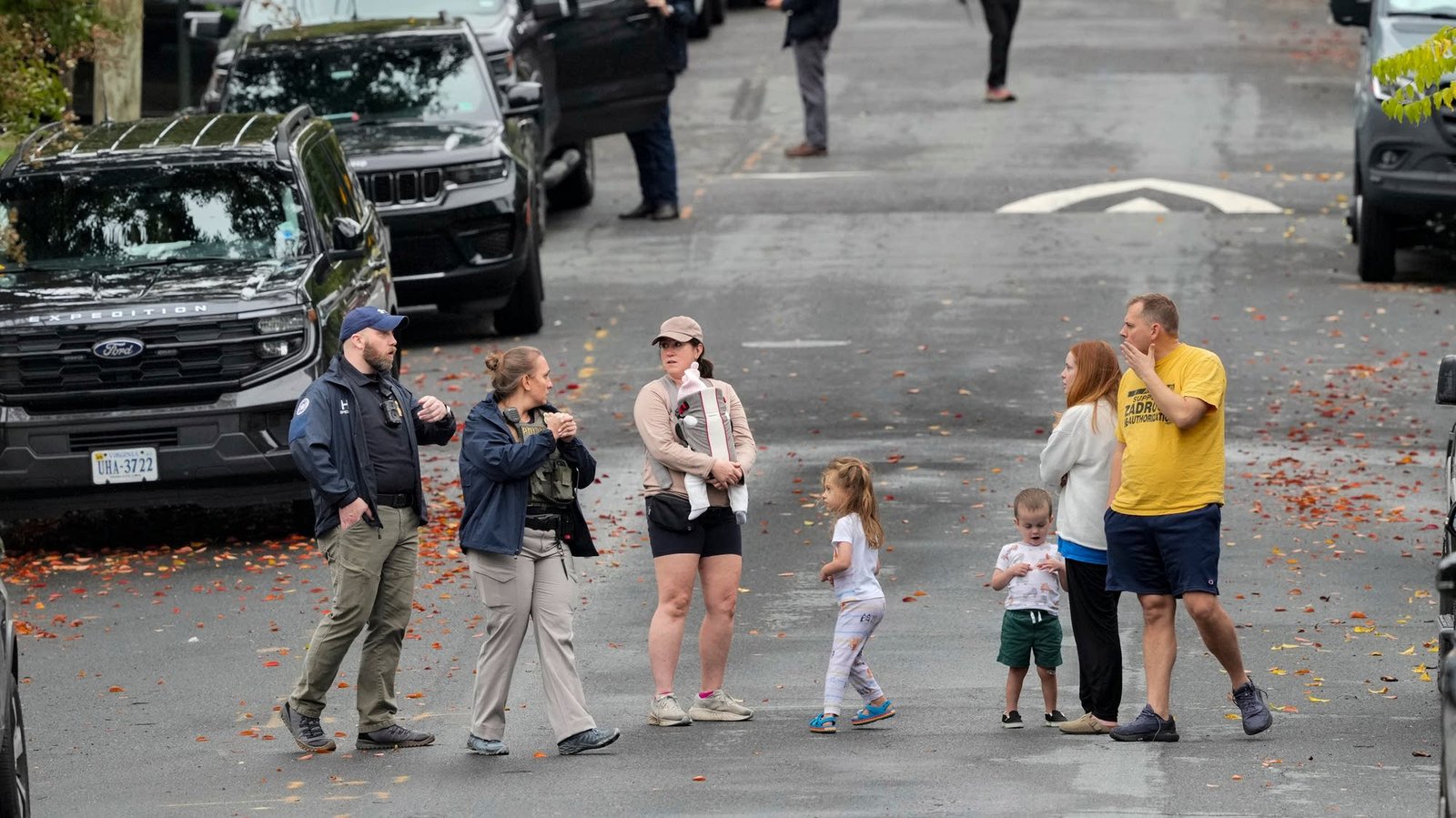
More recently, the state experienced a surge in federal immigration enforcement that resulted in the deaths of two American citizens, thousands of arrests and improper detentions of several Minnesotans.
The recent events have sparked calls for new guardrails on guns and federal agents in Minnesota, along with recovery measures that can help make people whole financially after ICE enforcement dealt a blow to businesses and some afraid to leave home.
The Legislature is narrowly split with Democrats holding 101 seats and Republicans 100, which means bipartisan backing is needed to get anything to the governor’s desk. All 201 seats are on the ballot next fall, which means that election pressures could find their way to Capitol conversations.
Looking ahead to the legislative session, here are five big issues that lawmakers will face.
Fallout from immigration actions
There are a number of proposals aimed at adding new guardrails for federal agents in the state, as well as providing relief for those affected by their operation.
DFL lawmakers are aiming to give people the option to sue the federal government over improper detentions. They’re hoping to put new requirements for agents — such as removing masks and softening tactics — citing thousands of detainments and the killings of Renee Macklin Good and Alex Pretti.
“What we have seen in Minnesota has been horrendous, only countered by the real power of Minnesotans’ voices to say we're not going to have it here and pushing back,” said Senate Majority Leader Erin Murphy, DFL-St. Paul. “My colleagues are really determined to take some action to protect our interests here and to allow us to govern as a state for ourselves.”
There are calls to help those hit by the economic impacts of the surge.
Gov. Tim Walz pitched a “recovery” package that would offer forgivable loans to small businesses who saw foot traffic decline or had employees unable to get to work due to fear of ICE. Fee waivers and other assistance to make up for disruption are also on the table.
Local governments, schools and people struggling to pay rent after spending weeks in hiding have also asked the state to offset some of their losses, as well as a moratorium on evictions for those who’ve fallen behind on payments because of the impact of immigration enforcement. But a tight state budget might be the biggest obstacle here.
Republicans have talked about making clearer rules for counties about how jails turn over immigrants in custody to ICE. That was an issue cited by Department of Homeland Security officials.
“That was already something that House Republicans were really focused on, making sure that there was that cooperation,” House Speaker Lisa Demuth, R-Cold Spring, said, “and that leans into the community safety.”
Gun restrictions, school safety
The shootings of lawmakers and schoolchildren last year prompted renewed calls for additional gun restrictions. Family members whose children were killed at Annunciation Catholic Church and School will be pushing for a ban on assault weapons and high-capacity magazines.
“We've talked about the assassination of Mark and Melissa Hortman and the shooting of John Hoffman, the Annunciation school shooting, they really make us focus on the need to get weapons of war off the street, which, by the way, the vast majority of Minnesotans agree with,” House DFL Leader Zack Stephenson, of Coon Rapids, said. “And so we will be pushing hard for those common sense gun violence prevention measures.”
It could be a heavy lift to get those approved given the tied House and a Senate where Democrats have a one-vote edge. But Democrats say it’s important to take those votes no matter how they come out to get everyone on the record.
Republicans say the focus should be instead on getting more money to mental health programs and schools to build up protections. They pushed back on Democrats’ proposals to restrict gun rights.
“We really want to look at the whole problem holistically,” Senate Minority Leader Mark Johnson, R-East Grand Forks, told MPR News’ “Politics Friday.” “Unfortunately, it just seems to be a very narrow pathway on the other side of the aisle.”
Fraud
Fraud, an issue that’s fueled extensive partisan debates, could see some bipartisan agreement around possible prevention measures. Lawmakers in both parties agree that it’s a problem and the state needs more tools to root it out and to stop it.
The Feeding Our Future fraud scandal and alleged misuse of child care assistance funding to day cares fueled a federal focus on Minnesota. In the last few months, the Trump administration suspended federal funds to the state, launched several investigations and deployed thousands of immigration enforcement agents in the name of finding fraud.
Last legislative session, the Senate approved a proposal to create a new Office of the Inspector General to have an independent entity keeping an eye on state spending. Leaders from both parties said they expect that will reemerge and could pass through the House.
“Expect the OIG bill to be front and center this year, or whether it's that exact bill, or if there's changes, or anything that needs to happen, but that will be top of mind for people,” Demuth said.
Tougher penalties for those who commit fraud and new guidelines for state agencies about how to respond if they suspect it could also be on the table.
“We need to be doing both looking back and holding the people accountable who committed the fraud,” Stephenson said, citing stiffer penalties for fraudsters and additional resources for the state offices that investigate them. “And then we need to be looking forward to how do we stop fraud from happening in the future?”
The parties diverge on the right solution and are trying to balance improved oversight with the ability of legitimate service providers to stay afloat.
Affordability / tax conformity
Leaders of both political parties said they’ll bring proposals to make life more affordable for Minnesotans. But they split on the best way to do that.
Republicans are eager to align Minnesota’s tax laws to recent changes to the federal tax code. That could involve adopting measures such as no tax on tips or overtime.
The Department of Revenue estimates that doing so would be a big draw on the state’s tax collections, perhaps by almost $250 million per year for those two items alone and hundreds of millions more to line up with other federal tax reductions.
There are budget questions because of a tight state financial picture. There are many competing interests for what gets money.
“When you think of the federal law changes, the no tax on tips, no tax on overtime, the federal child tax credit for education, we would have to conform to all of those things and basically opt in on those at a state level,” Demuth said. “And so those are things that we could work on that's good for Minnesotans.”
Democrats said they’ll aim to find ways to bring down health insurance premium rates, housing and child care costs. But they noted that the state could face challenges in providing relief as the federal bill passed last summer has created new challenges for the state, counties and hospitals.
“Their big bill that has a decade's worth of budget implications for the states, and we're just starting to see those manifest,” Murphy said.