Driverless taxi companies are preparing for a rollout in Minneapolis — but they might be required to keep a person in the driver’s seat.
At a public hearing this week, the Minneapolis City Council will hear feedback on a proposed ordinance that would require a “human monitor” behind the wheel of autonomous vehicles. City council members who authored the ordinance say it’s a way to ensure safety — and keep the city’s rideshare drivers from losing their jobs.
Drivers for Uber and Lyft say they’re worried about competition from autonomous vehicles. Said Mohamed drives for both companies, and works on a local drivers’ organizing committee.
“So many drivers have invested their entire life in this industry to save, to provide for their family,” Mohamed said. “A company just to come into our city, and just take our jobs … that is not something normal.”
MPR News helps you turn down the noise and build shared understanding. Turn up your support for this public resource and keep trusted journalism accessible to all.
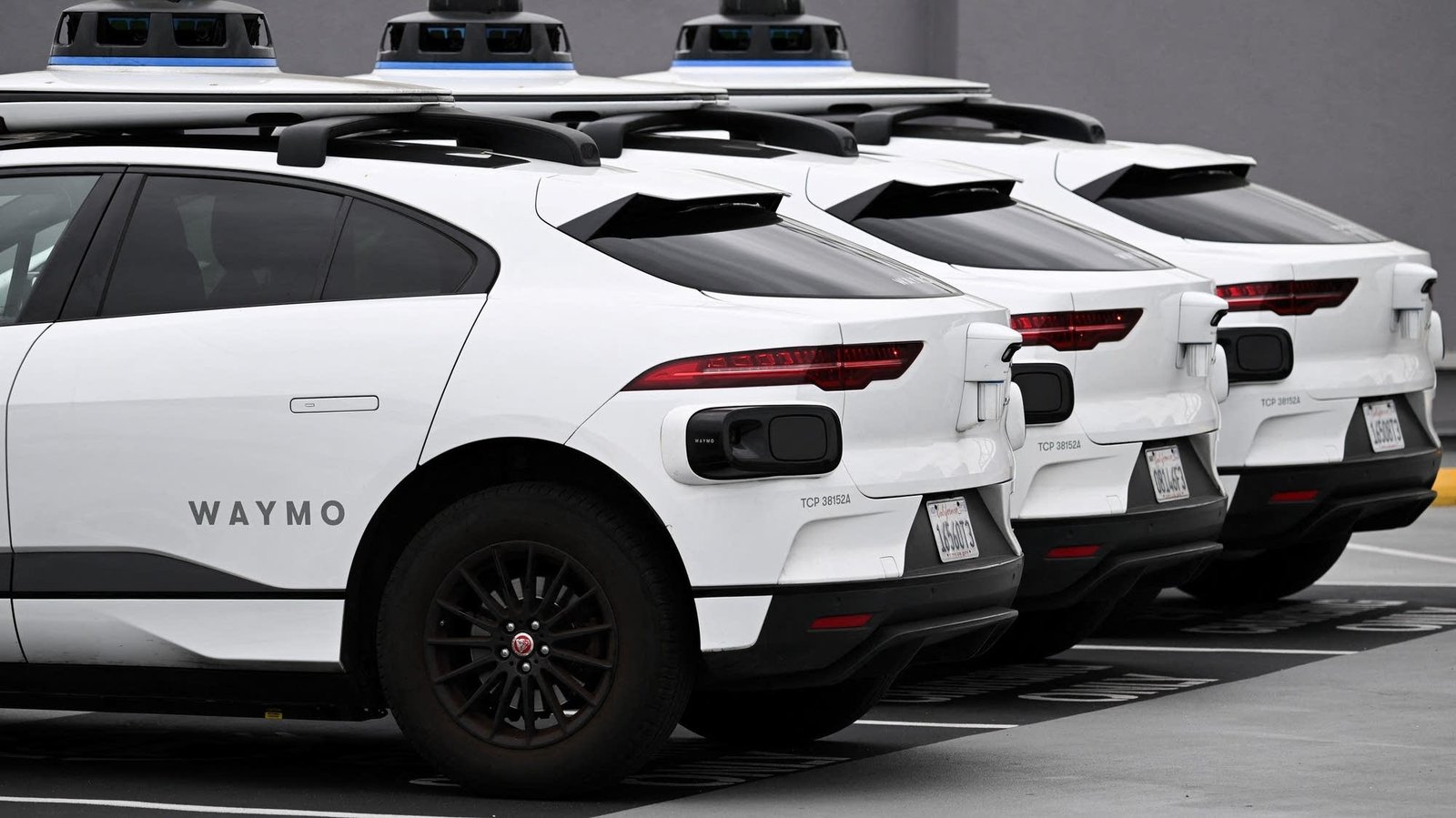
It’s a growing concern as the company Waymo test-drives its vehicles in Minneapolis. The cars, mounted with cameras and sensors, are currently cruising the streets to map the city and test out driving in winter weather conditions.
During test drives, the company has people sitting behind the wheel. But Waymo plans to eventually start offering taxi services to the public, without a person in the car.

A Waymo vehicle exits a charging lot on Jan. 15 in Austin, Texas.
Brandon Bell | Getty Images
Several city council members proposed the new regulations. Under the ordinance, the person in the car would need to be paid minimum wage. Autonomous vehicle companies would also have to get a license to operate in the city.
Council member Jamal Osman said helping drivers keep their jobs is good for the Minneapolis community.
“The drivers live here, they work here, they spend their money, they go to grocery, they pay their rent, they support their families,” Osman said.
But money spent on Waymo rides, he said, “is not staying in our community. It’s going back to Silicon Valley.”
The proposed ordinance is the latest attempt to regulate autonomous vehicles in the state. As of now, Minnesota does not have any specific rules regulating driverless cars.
That leaves Waymo in a legal gray area. Current rules of the road generally assume there’s a driver in the car who can take responsibility if they’re pulled over or if they get in a crash. For autonomous vehicles, that accountability is up in the air.
Gov. Tim Walz convened a task force in 2019 to start drafting potential rules. Last year, the task force recommended policies that would allow autonomous vehicles to operate without drivers, with new regulations in place.
State legislators then drafted regulations for autonomous vehicles, but did not pass any.
City council member Robin Wonsley said the proposed ordinance would help fill that gap in the rules.
“At the bare minimum, we need something in place,” Wonsley said. “This gives us that very basic protection while we’re further developing a comprehensive regulatory framework for commercial AVs.”
A spokesperson for Waymo disagreed, and said the proposed ordinance goes beyond basic protection.
“The proposed framework is a de facto ban on autonomous vehicles,” the spokesperson said in a statement.
And they pointed to some of the potential benefits of autonomous taxi services — like additional transportation options for people who can’t drive themselves. Some studies also suggest that autonomous vehicles are safer than typical cars, though some cities have reported safety incidents — such as Waymos passing stopped school buses.
If the ordinance passes, it would take effect in October 2027, which Wonsley said gives the city council time to adjust the rules as they get more information. She said they’re awaiting a report from city staff on autonomous vehicles and road safety.
“Should that — as well as any additional research done at the state level — come forward and share findings that would be relevant around enhancing and strengthening safety of our residents in our city, we have a pretty extensive timeline to make amendments and adjustments to the ordinance before it goes into effect,” Wonsley said.
The council will convene Tuesday afternoon for a public hearing on the issue.