
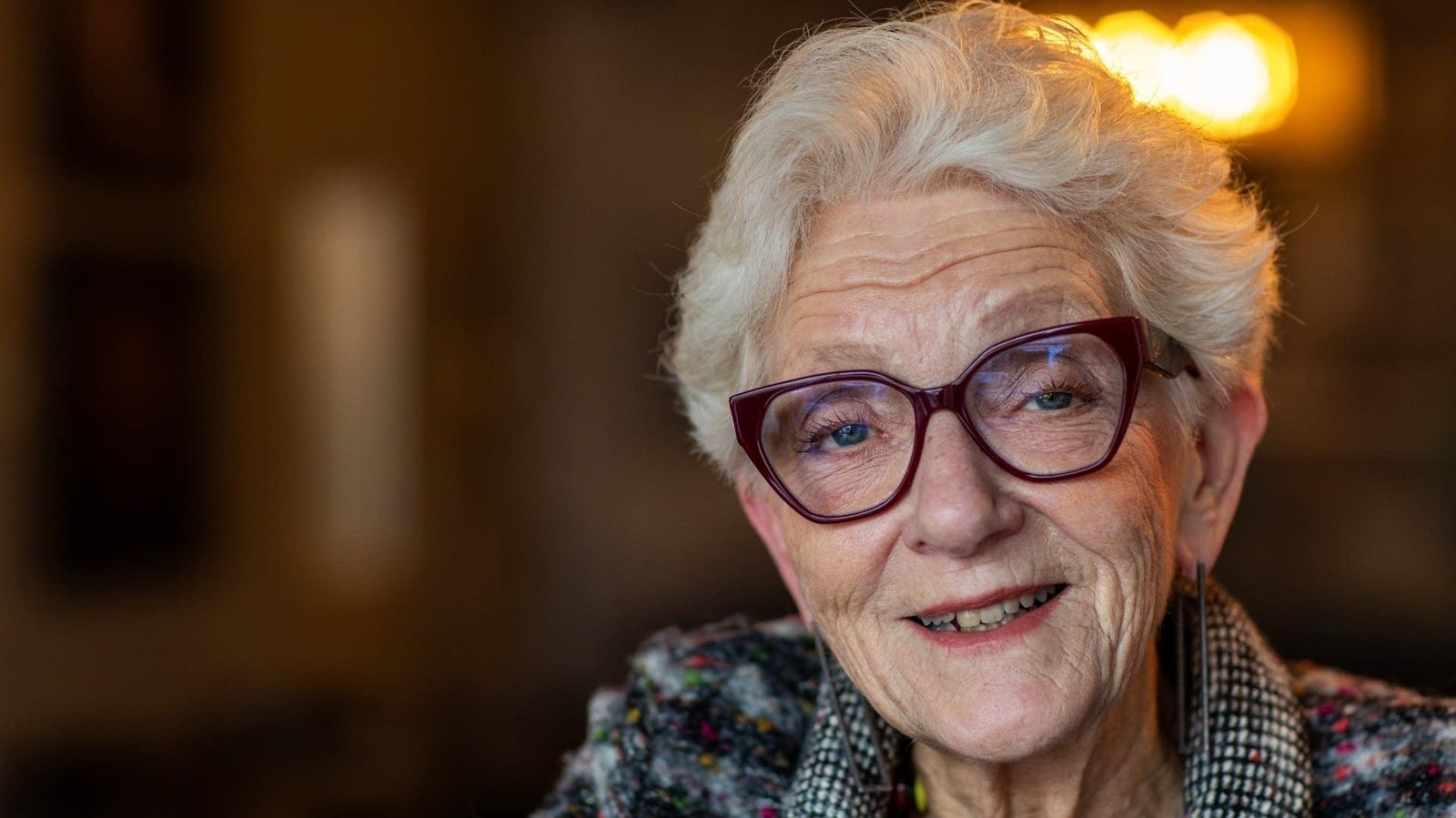
Marlene Johnson was the state’s first female Lieutenant Governor. She served in the role as a DFLer alongside former Governor Rudy Perpich, from 1983 to 1991. A couple years ago, she wrote a memoir about her life in politics, and she joins us now to talk about this moment.
Lieutenant Governor Johnson, thank you very much for your time.
MARLENE JOHNSON: Well, thank you. It’s great to be with you.
NINA MOINI: How are you feeling today about this news?
MARLENE JOHNSON: Well, I’m feeling great. As I’ve mentioned to a few people over the last year, as I’ve been sharing my book, I did start a trend. I was the first female lieutenant governor, and everyone since then has been a woman. And I really felt it was time already for the guys to have a chance at being lieutenant governor, and for Minnesota to elect its first woman. So I’m really excited that will take place this time.
BRIAN BAKST: Marlene, this is Brian Bakst. Why do you think it has taken Minnesota so long to get here?
MARLENE JOHNSON: Change is hard. I think Minnesota has done a fabulous job of electing women to legislative seats, both at the city council level, county commissions in the metro area, and in the state legislature. And we’ve had two women as speakers of the house. And Democrats have endorsed two women candidates for governor over the last several years, but they had primaries and lost the primaries. In the case of Margret Anderson Kelleher, it was a very tight race.
So we’ve been making progress, but moving into the executive branch is a different thing for many people. And I think, it’s also understood that people have to pay their dues. And this time, we have two candidates, who have not only paid their dues, but are people who are really highly respected in their parties and in the public, who have rich experience, who believe in government and the role of government.
This campaign will be a very good conversation between Senator Klobuchar and Legislator Demuth about the differences that they have about public policy. And that is really an important one. And they’re both positive people and articulate people. So I think it’s going to be a really good campaign.
BRIAN BAKST: Well, I’m wondering, in this age, where sometimes identity politics is viewed with suspicion or skepticism, do you expect the candidates to lean into this historical marker or shy from it?
MARLENE JOHNSON: I don’t think either one of them has a chance to shy from it, because this is history, and they both have made history already. I mean, Senator Klobuchar was is the first woman Senator in Minnesota, and Speaker Demuth is a pathbreaker herself. So I don’t think there’s any possibility they can shy away from it.
And it’s obvious. That part is not going to be an issue, except that we’re finally joining the other 30 some states that have had women governors, and that’s really exciting.
NINA MOINI: Do you think that being the first affected how you approached your campaign and even your time as lieutenant governor?
MARLENE JOHNSON: I think it did, because we were setting– not only was the first female lieutenant governor, but I was, perhaps, the first and, perhaps, the only lieutenant governor who had a defined portfolio from the beginning. We campaigned on a portfolio. The governor said in his opening speech, introducing me as his running mate, that I would be responsible for the Open Appointments Commission, to ensure that we really added diversity to his boards and commission appointments, and that I would lead the state’s tourism promotion program. And subsequently, I also took on the children’s agenda.
So those were defined responsibilities that I had for the administration. In the second term, I also was the defined leader of the budget process. So that was an important thing, an important step for Minnesota. And I took it very seriously. I wrote about it in my book in terms of understanding what I was learning, what I must contribute, and what I must do to prepare to be governor, because that’s ultimately, the other opportunity or responsibility of the lieutenant governor, to be ready to serve in that capacity, as well.
NINA MOINI: Sure. I do wonder, how much you think things have changed for women in politics since you were in your office, talking about 1983? Have there been a lot of changes? Does more need to change?
MARLENE JOHNSON: Well, I think, more needs to change, yes, but we’ve made significant and important progress. And women are contributing in so many ways, at so many levels of government. There is still a lack of women at county commissions statewide. There are still lack of women on boards of electric cooperatives statewide. So there’s a lot of room. There’s a lot of places where we need to take advantage of the skills and experience and leadership capacity of women. But we are making progress, and that’s what we can do. We must keep working on it and make sure that we get the very best talent and the very best contributions we can from all of our citizens.
NINA MOINI: And these candidates both obviously have a lot of history and a lot of experience. But do you have advice for them as they move forward to one of them to be Minnesota’s next governor?
MARLENE JOHNSON: Well, I mean, I think, they’re both very talented politicians, and they don’t really need advice from me. I would just say that I’m so glad they both are running, and I really look forward to a constructive campaign conversation between them. Because I think they do have very different points of view about the role of government, even though they both believe in government, and they’ve both been actively engaged in public policy discussions over the last many years. So I think, this is the opportunity to demonstrate to Minnesota that we can focus on public policy differences, we can discuss them in a civil way and in a constructive way that helps people learn, what the role of government can and should be.
NINA MOINI: Marlene Johnson, thank you so much for your time. We really appreciate you.
MARLENE JOHNSON: It’s been a pleasure to serve you– to visit with you. Thank you.
NINA MOINI: And serve us. Thank you.
Marlene Johnson was Minnesota’s Lieutenant Governor from 1983 to 1991, the first and the trendsetter. Her book is called Rise to the Challenge– A Memoir of Politics, Leadership, and Love.
That’s going to do it for us here on Minnesota Now. Thank you to MPR Politics Editor Brian Bakst for joining me.
BRIAN BAKST: You’re welcome.
NINA MOINI: Special requested this song for us today as we play out. We’re, of course, going to have more coverage and candidate interviews this afternoon on All Things Considered with Clay Masters starting at 3:00 PM, and of course, see updates as they come in at mprnews.org. Thank you all for joining us.


