

[The content of this article has been produced by our advertising partner.]
As Hong Kong pushes towards its first Five-Year Plan target of raising R&D expenditure to 3% of GDP, the city’s largest I&T flagship, Hong Kong Science and Technology Parks Corporation (HKSTP), is taking a more aggressive approach to bring in global capabilities. Under the leadership of CEO Terry Wong, HKSTP is aligning its strategy directly with the national 15th Five-Year Plan and Hong Kong’s first Five-Year Plan. To accelerate the development of “new quality productive forces”, HKSTP is actively upgrading its ecosystem. Rather than waiting for companies to knock on its doors, the corporation is going out to secure the exact global expertise and partners needed.
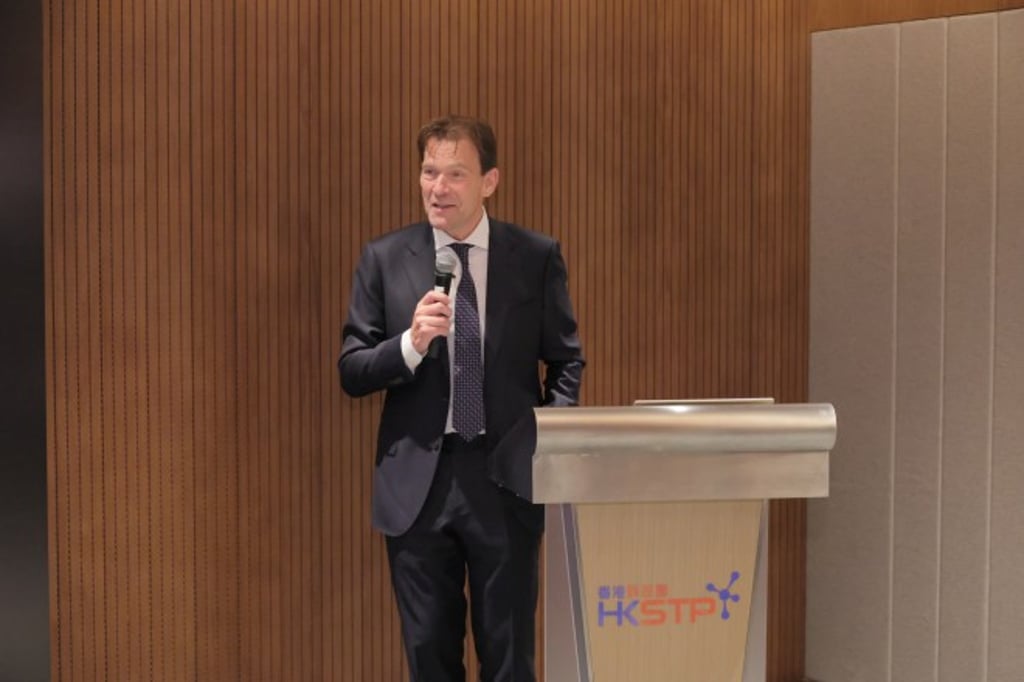
The October 26 partnership with Merck is a prime example. The deal brings a Merck Hong Kong Centre directly into the Hong Kong Science Park, giving local startups immediate access to the global giant’s scientific products, live demonstrations and expert consultation. The two sides will also co-organise technical training, clinical advisory sessions, and an annual Merck Innovation Day. Rogier Janssens, president of Merck China, said this marked a “first strategic move” to identify and nurture promising ideas early on.
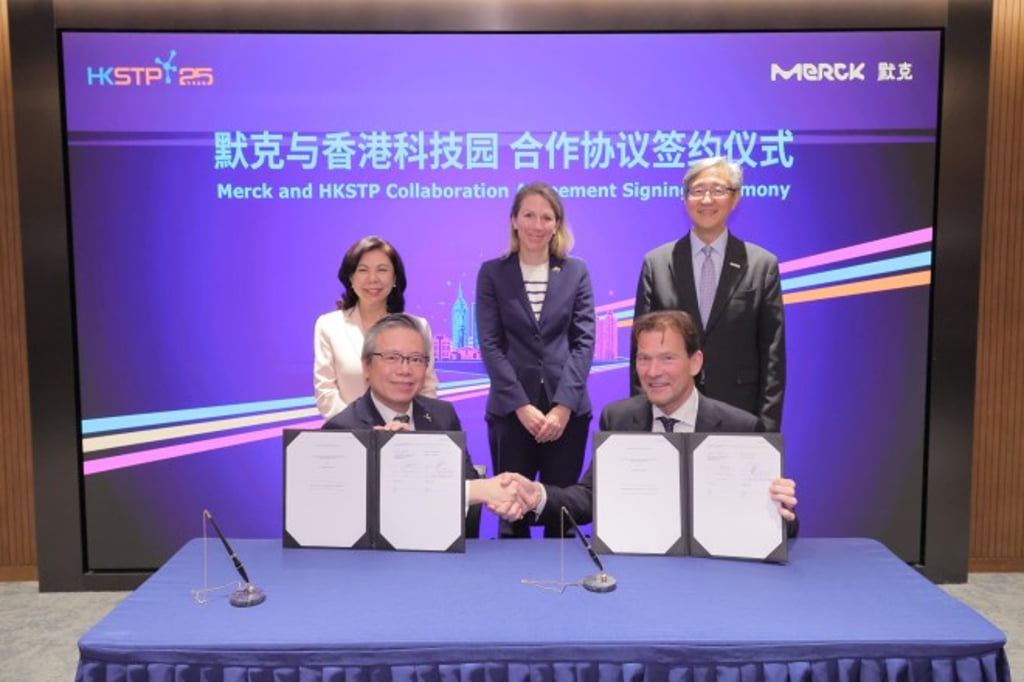
But this didn’t happen by chance. It was the result of HKSTP CEO Terry Wong’s proactive push. When Merck’s new China leadership arrived in Shanghai earlier this year, Wong didn’t wait for them to come to Hong Kong. He flew there to pitch the city himself.
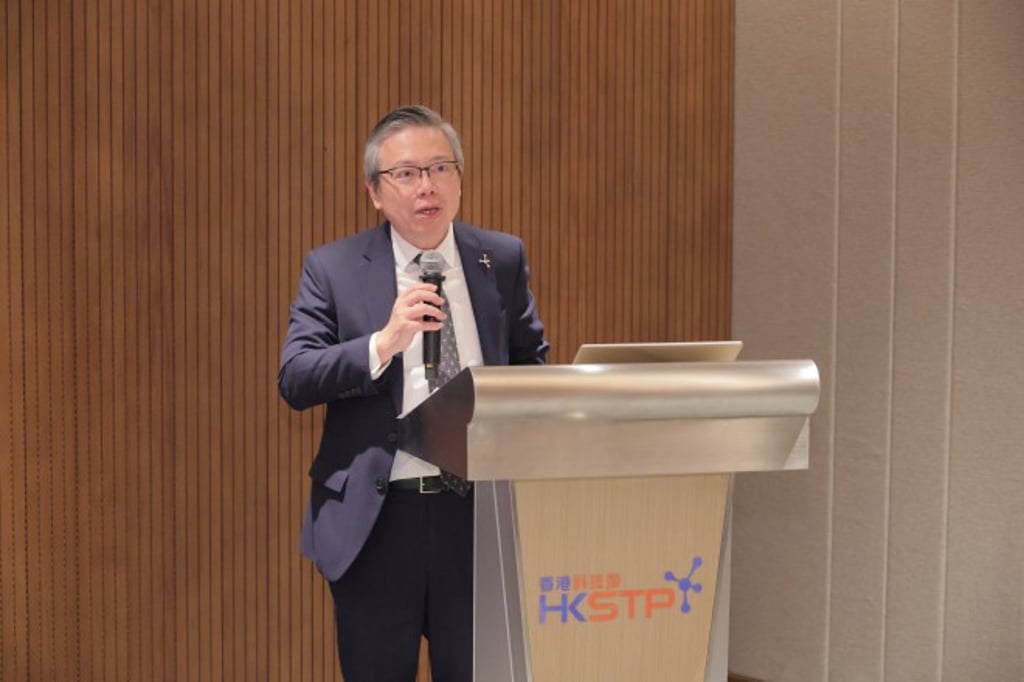
“I explained Hong Kong’s development over the past 25 years and that the ecosystem has entered a more mature stage,” he said. The discussion covered the city’s world-class university research, HKSTP’s support and advanced R&D infrastructure, and the upcoming Hong Kong Centre for Medical Products Regulation. More importantly, Wong argued that multinational companies should see Hong Kong’s GBA connection as a gateway to regional growth. And the ultimate selling point: getting a drug or medical device approved in Hong Kong under international standards could fast-track their entry into Europe and US markets. “After that they understood and decided to move forward,” Wong said.
For HKSTP, this partnership is a textbook example of translating the 15th Five-Year Plan into reality. By embedding a global giant like Merck directly into the local ecosystem, HKSTP is not just attracting foreign direct investment; it is injecting world-class R&D capabilities and global commercial networks into Hong Kong’s life and health technology sector. This is how “new quality productive forces” are practically built—by upgrading the quality and commercialisation of local research.
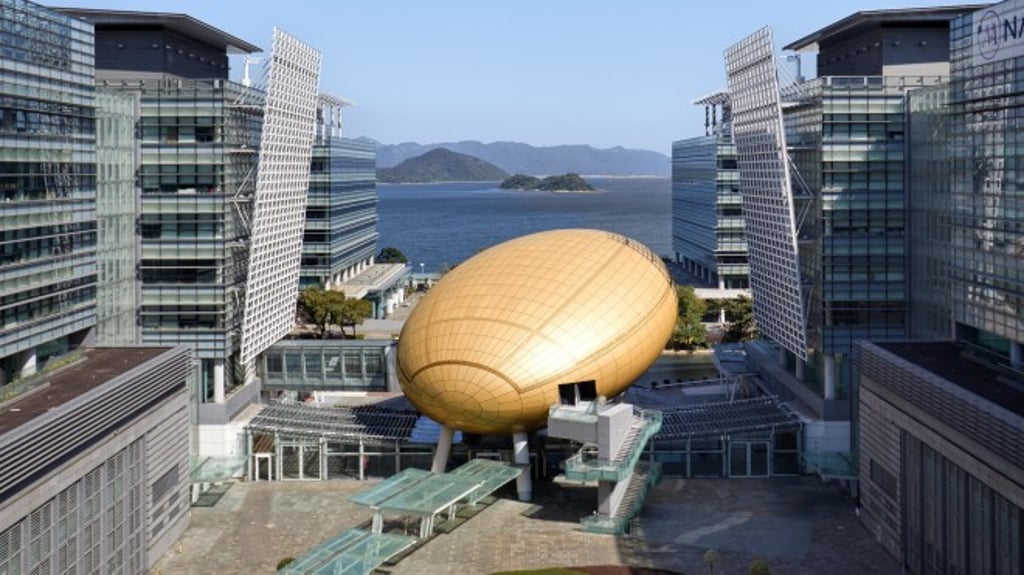
Merck will station experts at Science Park and organise sessions around areas such as drug discovery and medical devices. HKSTP will match those sessions with relevant startups, while Merck’s investment arm could later invest in, license from or acquire companies whose products fit its interests.
Wong sees value in making those connections early. Startups can receive technical and commercial feedback before committing years to a development path, while Merck can track emerging technologies while products are still adjustable.
Rather than just expanding in size, HKSTP is strategically curating its ecosystem. This is reflected in initiatives like the TechXchange platform, which matches park solutions with potential clients, and the proposed I&T Application Scenario Promotion Centre, which will provide testing, standard alignment, and overseas certification opportunities. “If it is only good for us, it will not stay,” Wong added, emphasizing the need for mutual benefit.
For foreign companies, Hong Kong offers a GBA gateway. For mainland companies, it offers a familiar route to international regulatory recognition and global distribution. Ultimately, HKSTP’s measure of success extends beyond financial valuations.
“It is not only sales or unicorn status,” Wong said. “We look at the impact of the product. That is what raises Hong Kong’s influence and contributes to the nation’s technological self-reliance.”


